

Reconstruction
Overview
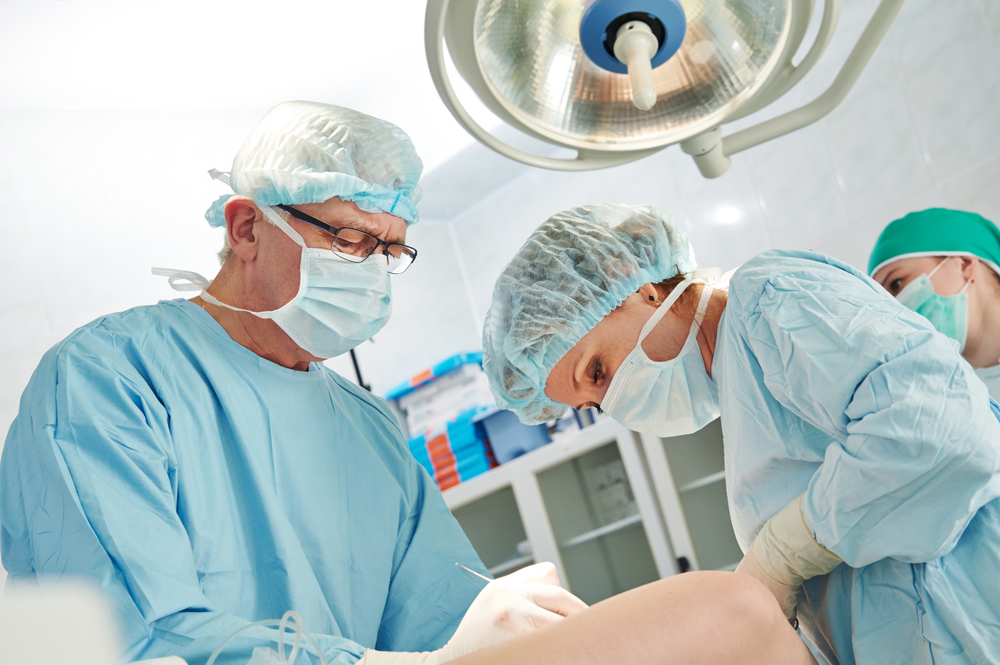
Reconstructive procedures repair defects following skin cancer excision, trauma, or other tissue loss. Techniques include local flap reconstruction (moving adjacent tissue to cover a defect) and skin grafting (transplanting skin from another body area). The goal is to restore both appearance and function with the best possible outcome.
What to Expect
Reconstruction is planned based on the defect’s size, location, and functional requirements. Local flaps use adjacent tissue with intact blood supply and typically heal well with good colour and texture match. Skin grafts are used when local tissue is insufficient; they require a donor site and a period of immobilisation while the graft takes. Post-operative care includes wound care instructions and monitoring for healing. Final appearance improves over several months as scars mature.
Benefits
Closure of surgical defects
Optimal aesthetic outcome
Restore function in critical areas
Single-stage reconstruction where possible
Expert technique for best healing
Minimise visible scarring
Our Services
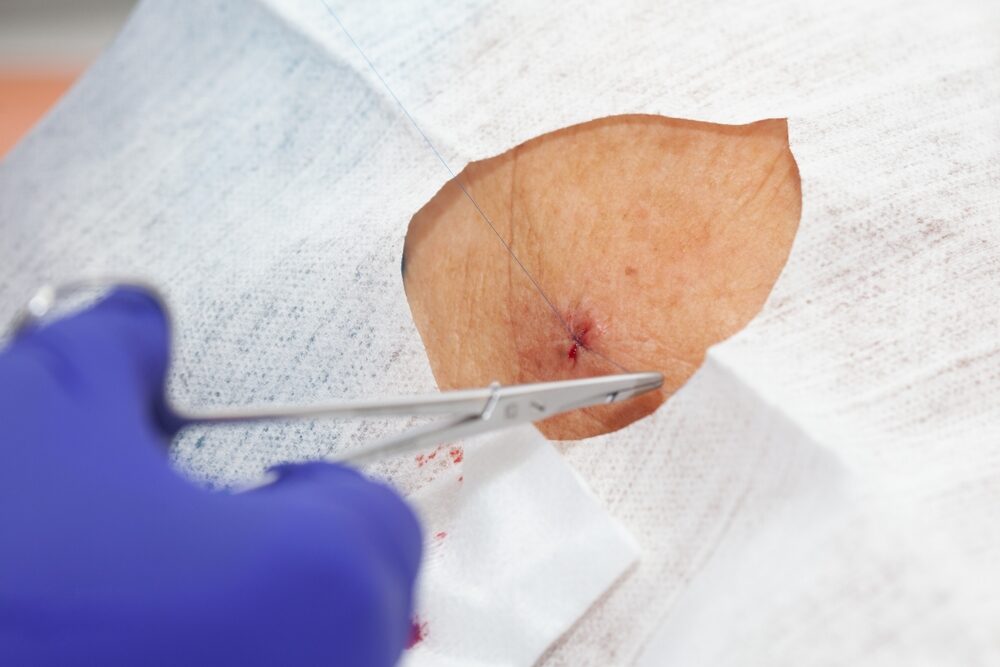
Local Flap Reconstruction
Moving healthy, adjacent tissue into a defect. Because the tissue remains attached to its blood supply, it offers superior match in colour and texture compared to grafts.
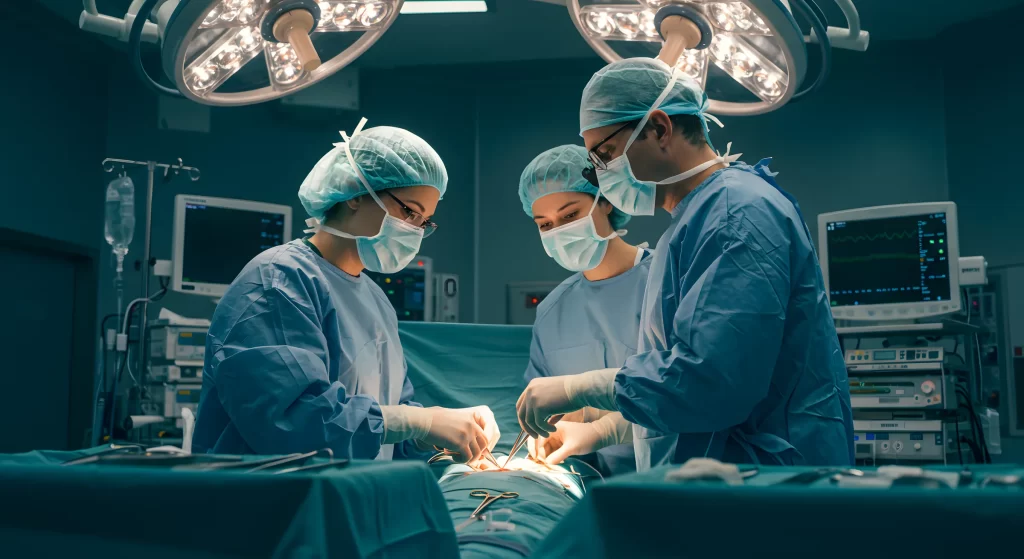
Skin Grafting
Transplanting a thin layer of skin from a donor site to cover a wound. Used when local tissue is insufficient to close a defect directly.
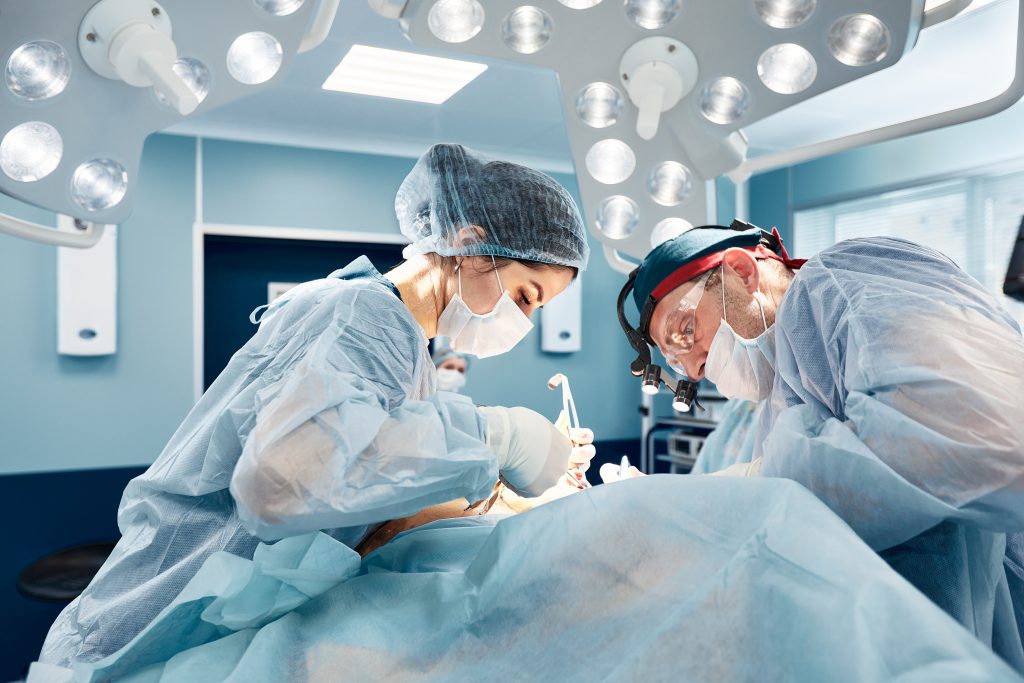
Split-Thickness Skin Graft
Uses the epidermis and part of the dermis. This type of graft heals more reliably in larger wounds but may not match the texture of surrounding skin as closely as a full-thickness graft.
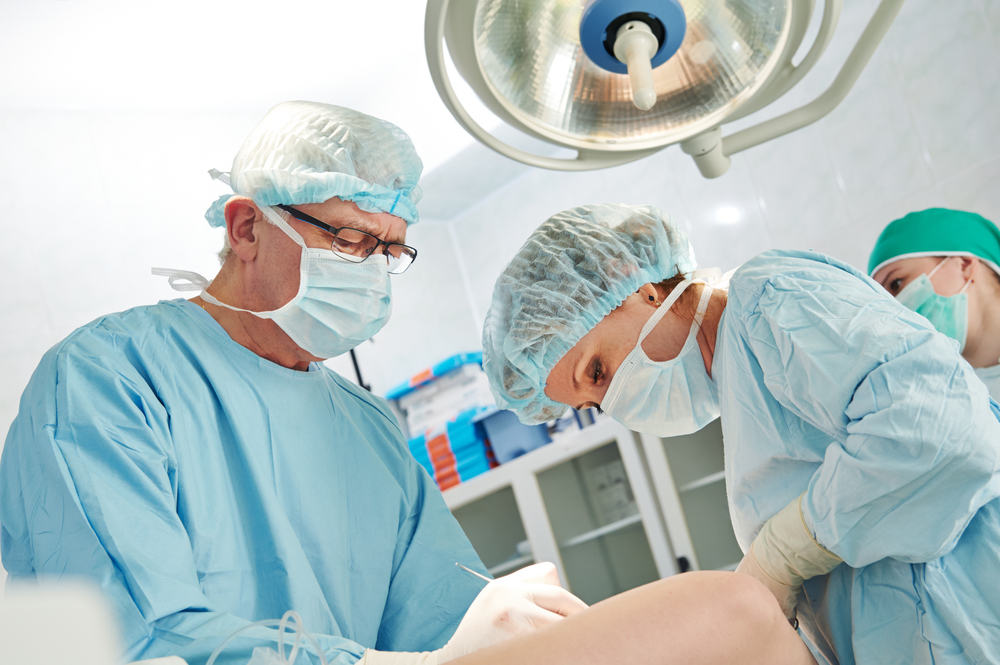
Full-Thickness Skin Graft
Uses the entire thickness of the skin. This provides a better cosmetic match and less contraction, often used for smaller defects on the face or hands.
Advancement Flaps
A type of local flap where tissue is stretched or slid forward to cover a defect without rotation.
Rotation Flaps
A semi-circular flap of tissue is rotated into the defect to provide coverage and redistribution of tension.
Before & After
FAQs
How do you decide between a flap and a graft?
We prefer flaps when possible because they bring their own blood supply and provide a better match for colour and texture. Grafts are chosen when the defect is too large for a flap or location constraints prevent moving local tissue.
Where does the skin graft come from?
Common donor sites include the thigh, arm, or area behind the ear (for full-thickness facial grafts). The donor site heals on its own or is sutured closed.
How long until the reconstruction heals?
Initial healing takes 1-3 weeks. Flaps generally heal faster than grafts, which require a period of immobilisation to ‘take’. Scars continue to mature and fade over 12-18 months.
Will the reconstruction look normal?
Our goal is the best possible aesthetic outcome. While no reconstruction is invisible, we use advanced techniques to place scars in natural lines and match tissue characteristics for a result that blends well.
What if I need reconstruction after Mohs surgery?
We work closely with dermatologists performing Mohs surgery and can provide same-day or staged reconstruction depending on the defect and your preferences.