

Ear Surgery
Overview
Ear surgery addresses prominent or protruding ears, asymmetry in projection or shape, stretched or torn earlobes, and elongated earlobes that look disproportionate with age.
For prominent ears, the aim is not ‘pinning flat’ but achieving a balanced, natural position that suits your head shape and facial proportions. Results should look unoperated, simply more balanced.
What to Expect
Many ear procedures are performed under local anaesthetic with sedation, though general anaesthetic may be appropriate in some cases. Otoplasty involves reshaping or repositioning cartilage with internal sutures, with incisions commonly behind the ear. Earlobe repair and reduction use careful tissue reshaping with fine closure for minimal scarring. A supportive headband is commonly recommended for otoplasty, especially at night, to protect the ears while healing. Recovery involves mild to moderate soreness and swelling, with most patients returning to desk work within 1-2 weeks.
Benefits
Reduce ear prominence and improve balance
Refine ear shape and antihelical fold
Improve symmetry as far as anatomy allows
Repair split or stretched earlobes
Reduce earlobe size for better proportion
Suitable for adults and children/teens
Correct healed trauma or piercing complications
Our Services
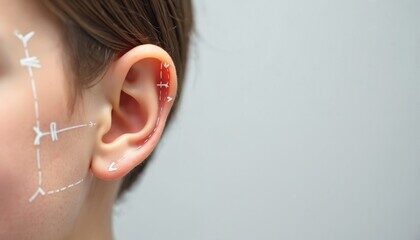
Otoplasty / Prominent Ear Correction
Often referred to as ‘ear pinning’, this procedure reshapes the cartilage to reduce protrusion and position the ears closer to the head. It is designed to create a natural look that brings balance to facial proportions without an ‘operated’ appearance.
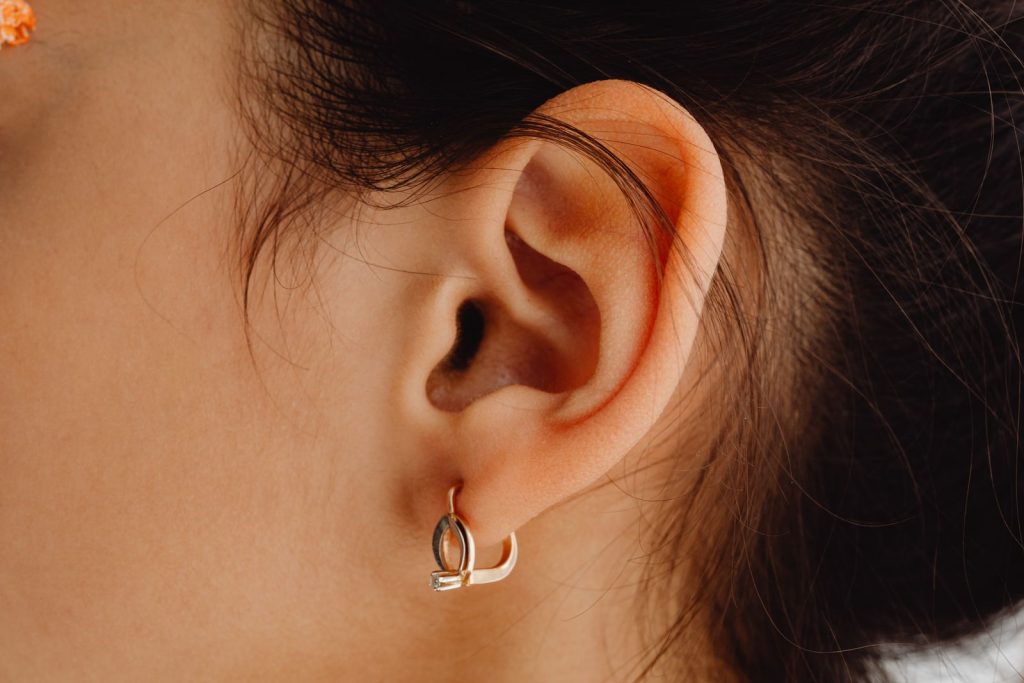
Earlobe Repair
A delicate procedure to fix split or torn earlobes, commonly caused by heavy earrings or trauma. The cleft is excised and the lobe is meticulously sutured to restore a natural curve, allowing for potential re-piercing after healing.
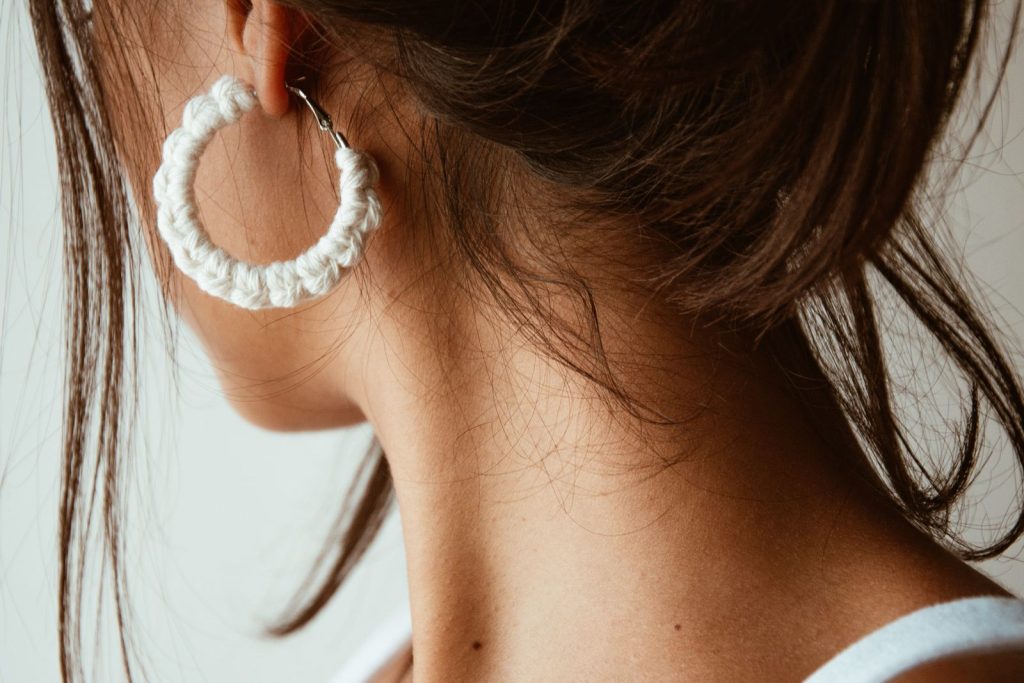
Earlobe Reduction - One Ear
Targeted reduction for a single earlobe that is disproportionately large or elongated compared to the other, often due to ageing or genetics, to restore symmetry.
Earlobe Reduction - Both Ears
A rejuvenating procedure to shorten and reshape elongated earlobes. As we age, earlobes can stretch and lose volume; this procedure restores a more youthful, proportionate size and contour to the lower ear.
Before & After
FAQs
Will the ears look 'pinned back'?
A well-planned otoplasty aims for a natural ear position and contour. Over-flattening is avoided by careful shaping and conservative repositioning.
What scars will I have?
Otoplasty scars are typically behind the ear. Earlobe procedures place scars along natural earlobe lines where possible.
Is otoplasty painful?
Most patients describe soreness and tightness rather than severe pain, particularly in the first few days. Pain relief is provided and aftercare is structured.
When can I return to work and exercise?
Desk work is commonly possible within 1-2 weeks. Exercise returns gradually after 3-6 weeks if cleared. Contact sports require longer avoidance to protect the ears.
Can I re-pierce after earlobe repair?
Often yes, but timing varies. We advise on safe re-piercing once healing and scar stability are adequate, typically several months after surgery.