

Wound Care
Overview
Our wound care service manages complex, chronic, and non-healing wounds. This includes surgical wound complications, pressure ulcers, venous ulcers, diabetic wounds, and other challenging wounds requiring specialist attention. We provide comprehensive assessment, treatment planning, and ongoing management to optimise healing.
What to Expect
Wound management begins with thorough assessment including wound type, size, depth, and factors affecting healing. Treatment may include debridement (removal of non-viable tissue), optimisation of the wound environment with appropriate dressings, negative pressure therapy for suitable wounds, and surgical intervention when needed. We address underlying factors such as nutrition, blood supply, and infection. Regular review monitors progress and adjusts treatment as needed.
Benefits
Expert assessment of non-healing wounds
Comprehensive treatment planning
Advanced wound care techniques
Surgical options when conservative care fails
Multidisciplinary approach when needed
Optimise healing and minimise complications
Our Services
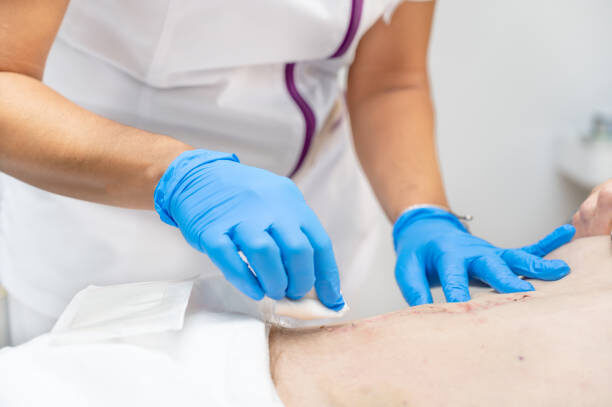
Chronic Wound Assessment
Thorough evaluation of non-healing wounds to identify underlying causes such as vascular issues, infection, or pressure, enabling a targeted treatment plan.
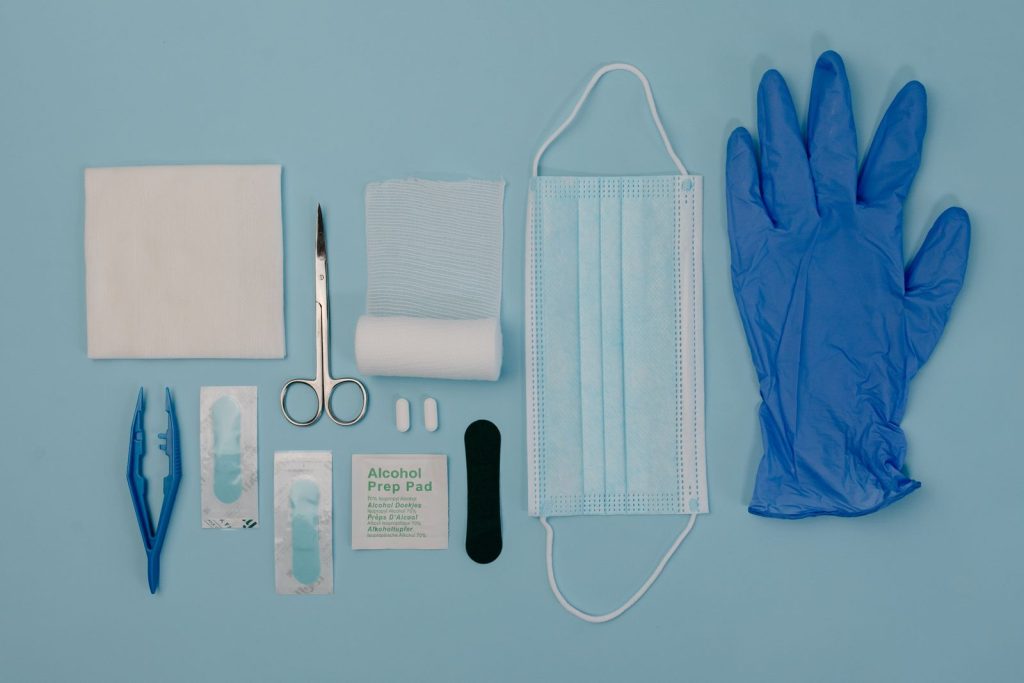
Wound Debridement
Removal of non-viable (dead) tissue, infected material, and debris from the wound bed to promote the growth of healthy tissue.
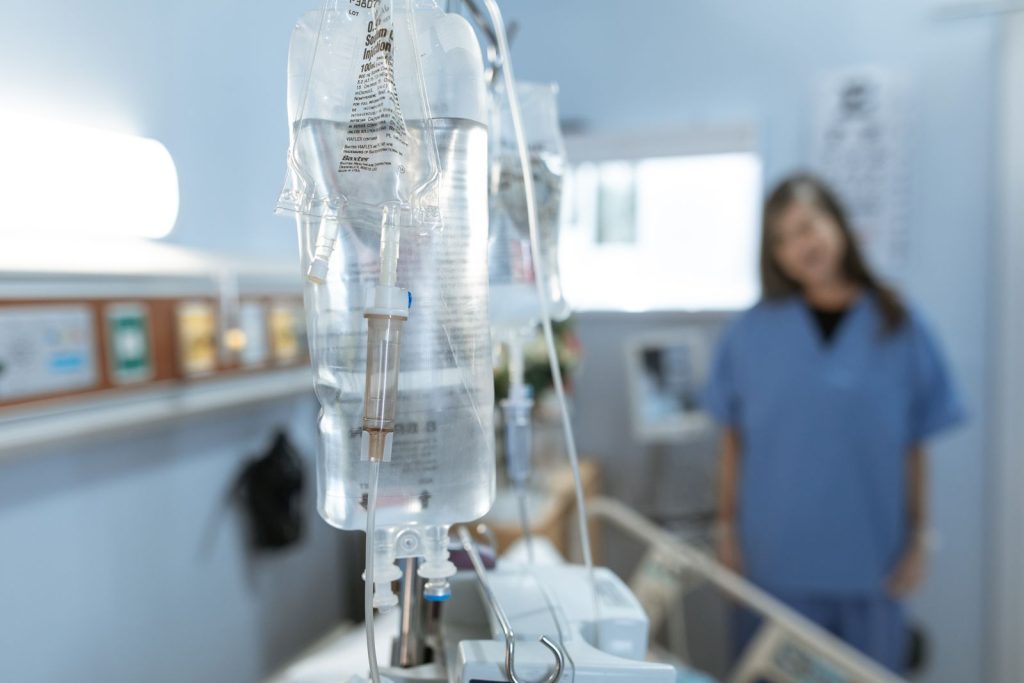
Negative Pressure Wound Therapy
Application of a vacuum dressing (VAC) to draw wound edges together, remove infectious fluids, and stimulate blood flow for accelerated healing.
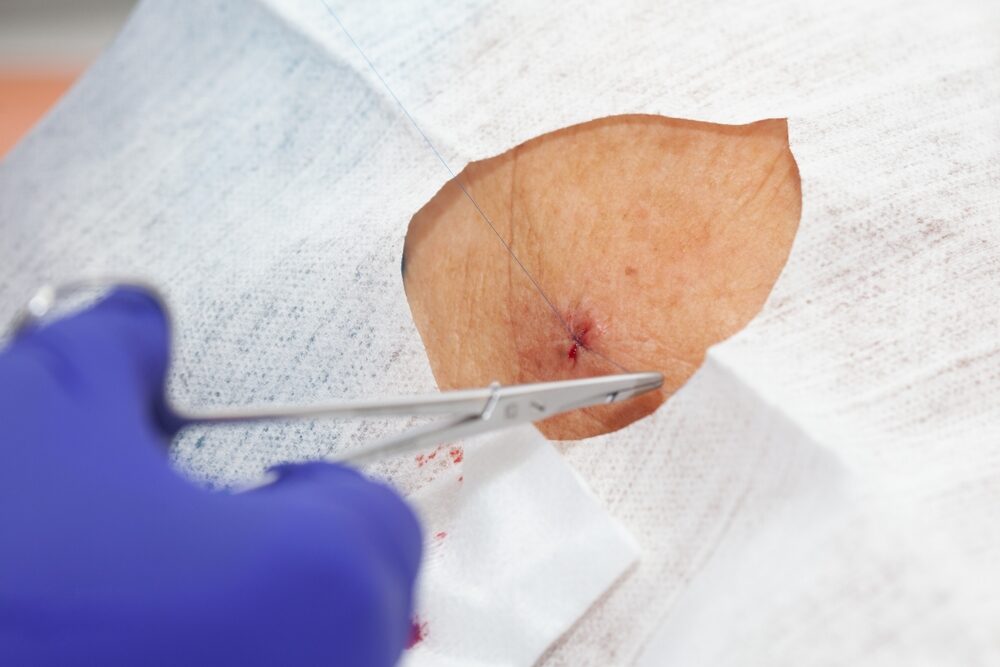
Skin Grafting for Wounds
Surgical transplantation of healthy skin to cover large wounds that cannot heal on their own, providing closure and protection.

Surgical Wound Revision
Re-opening and re-closing a surgical wound that has failed to heal properly or has dehisced (separated), ensuring optimal long-term closure.

Post-Operative Wound Care
Specialist management of complex surgical wounds during the healing phase to prevent complications and minimise scarring.
Before & After
FAQs
What makes a wound 'chronic'?
A wound is generally considered chronic if it has not healed significantly within 4 weeks or completely within 8 weeks. This often indicates underlying issues preventing normal repair.
Why isn't my wound healing?
Healing can be delayed by factors like poor blood supply, infection, diabetes, nutritional deficiency, or persistent pressure. We assess all these factors to unlock the healing process.
What is negative pressure wound therapy?
Also known as VAC therapy, this involves a special dressing connected to a pump that creates a vacuum. It helps draw wound edges together, remove fluid, and stimulate new tissue growth.
When is surgery needed for wounds?
Surgery may be needed to remove dead tissue (debridement), close a wound that won’t heal on its own, or provide skin coverage via grafts or flaps for large defects.
How often will I need reviews?
Review frequency depends on the wound’s complexity and healing progress. Initially, this may be weekly; as healing progresses, intervals may lengthen.