

Biopsies
Overview
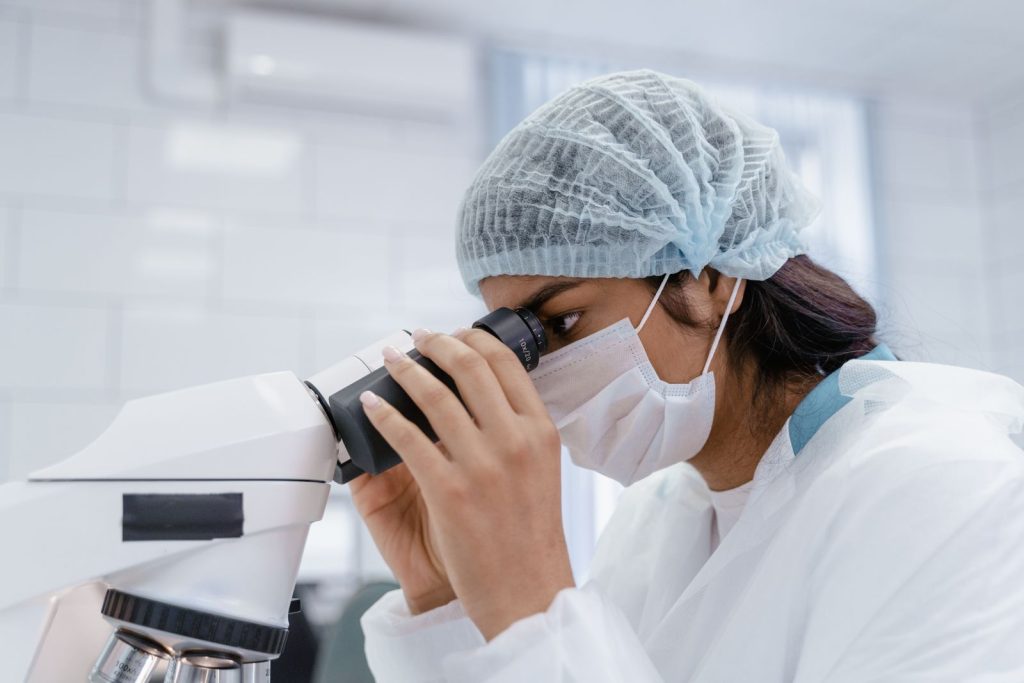
Biopsy involves removing a sample of tissue for microscopic examination to establish an accurate diagnosis. This may be a small sample (incisional or punch biopsy) or complete removal of a lesion (excisional biopsy). Accurate histological diagnosis guides appropriate treatment planning.
What to Expect
Most biopsies are performed under local anaesthetic as outpatient procedures. The type of biopsy depends on the lesion’s size, location, and clinical appearance. Punch biopsy uses a circular blade to sample a small core of tissue. Incisional biopsy removes a portion of a larger lesion. Excisional biopsy removes the entire lesion. Tissue is sent to pathology, with results typically available in 1-2 weeks. Wound care is straightforward, with stitches removed at 1-2 weeks.
Benefits
Accurate histological diagnosis
Guide treatment planning
Rule out malignancy
Quick procedure under local anaesthetic
Minimal recovery time
Peace of mind with definitive answers
Our Services
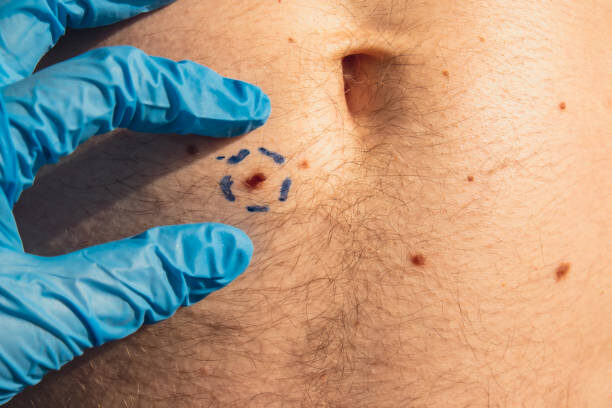
Punch Biopsy
Uses a circular blade to remove a small core of tissue, including deeper layers of the skin, useful for diagnosing inflammatory skin conditions or deeper lesions.
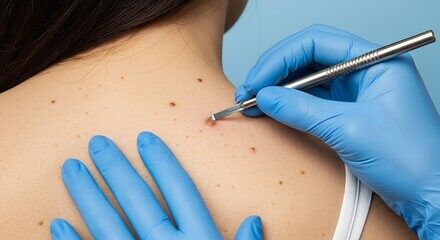
Excisional Biopsy
Removal of the entire lesion, usually with a small margin of normal skin. This is often both diagnostic and curative for small lumps.
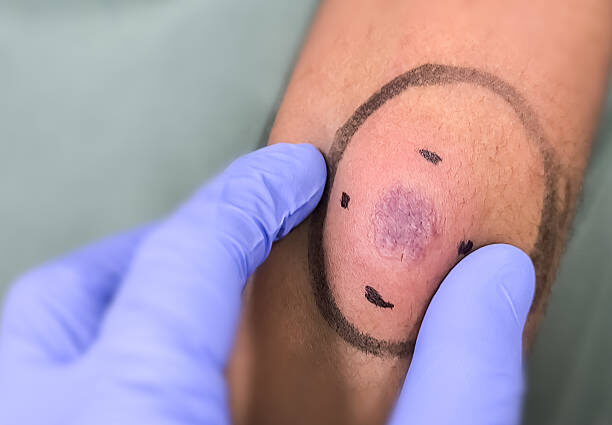
Incisional Biopsy
Removal of a selected portion of a larger lesion to establish a diagnosis before planning definitive treatment.
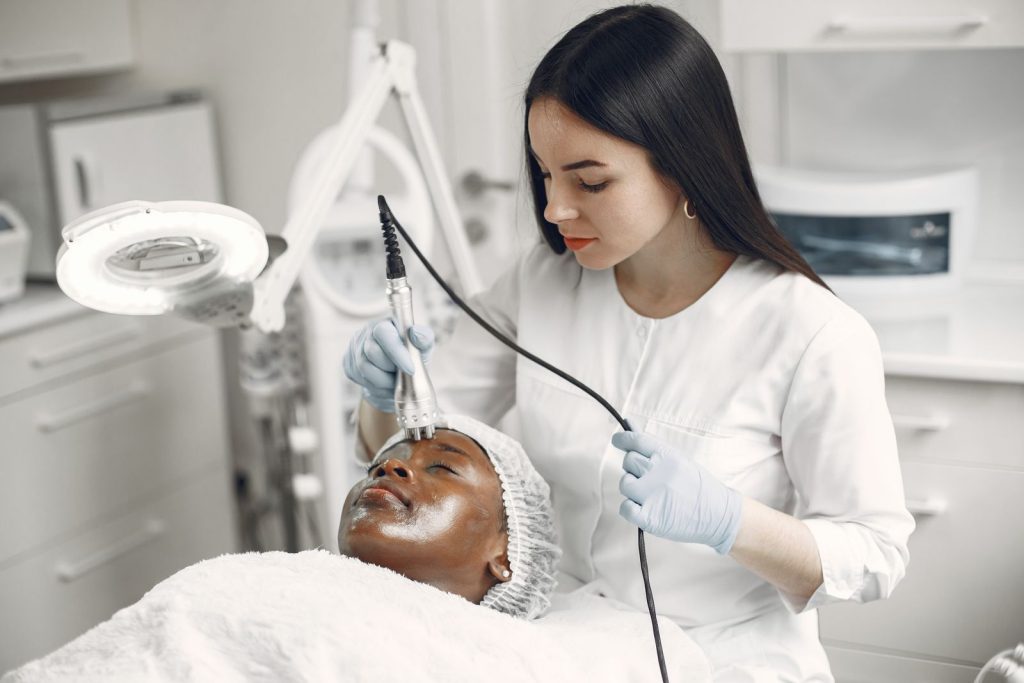
Shave Biopsy
Removal of the top layers of a raised lesion using a scalpel blade. Suitable for superficial growths where deep sampling is not required.
Deep Tissue Biopsy
Sampling of deeper soft tissues or lymph nodes when pathology below the skin surface is suspected.
Before & After
FAQs
Which type of biopsy will I need?
The type depends on the lesion’s characteristics and clinical question. We select the most appropriate method to obtain diagnostic tissue while minimising scarring.
How long until I get results?
Histology results typically take 1-2 weeks. We arrange a follow-up appointment to discuss findings and any further management.
Will biopsy leave a scar?
All biopsies leave some mark, but we minimise this by selecting appropriate techniques and placing incisions along natural skin lines where possible.
What if the biopsy shows something concerning?
If results indicate a condition requiring treatment, we discuss options and arrange appropriate management, whether further surgery or referral to specialists.
Is the procedure painful?
Local anaesthetic numbs the area before sampling. You may feel pressure but should not feel pain. Post-procedure discomfort is usually mild.